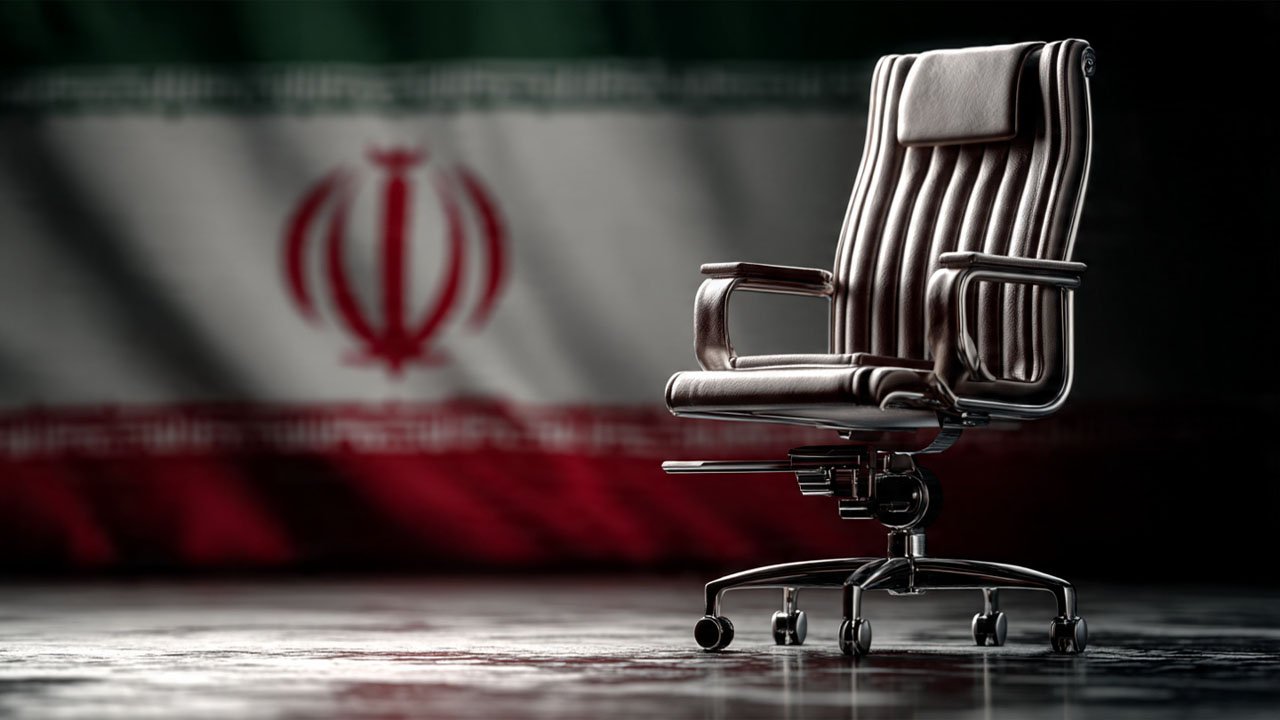
What happens when the most powerful position in Iran suddenly becomes vacant?
After Ali Khamenei, who will lead Iran is no longer a theoretical question. It is a pressing political reality shaping the country’s future. The leadership transition affects military authority, nuclear policy, foreign relations, and internal stability. As you read this analysis, you will understand how the succession process works, who the top four contenders are, and what their leadership could mean for Iran.
Why Iran’s Leadership Transition Matters to You
Iran’s Supreme Leader is not just a symbolic figure. The position holds decisive control over:
- Armed forces and the IRGC
- Judiciary
- Foreign and nuclear policy
- State media
- Guardian Council oversight
Because of this structure, leadership change influences regional security, oil markets, and diplomatic relations.
If you follow global politics, energy markets, or Middle East affairs, this transition directly affects you.
Current Situation Inside Iran
Iran has activated its constitutional transition process. Until a permanent leader is chosen, an interim arrangement ensures continuity.
The temporary leadership council includes:
- Masoud Pezeshkian, President
- Gholam-Hossein Mohseni-Ejei, Judiciary Chief
- Alireza Arafi, senior cleric
This body maintains stability while the formal selection proceeds.
Importantly, no permanent successor has been officially confirmed.
Who Chooses the Supreme Leader
The decision rests with the Assembly of Experts. This 88-member clerical body holds constitutional authority to appoint and, if required, dismiss the Supreme Leader.
How the Assembly of Experts Votes
You should know that:
- Voting happens behind closed doors
- Religious credentials matter
- Political influence plays a major role
- Stability remains the key priority
The final choice must satisfy both clerical legitimacy and security interests.
Top 4 Names in the Succession Race
When analysts ask, After Ali Khamenei, who will lead Iran, four names appear consistently in expert discussions.
Below is a comparative overview.
| Candidate | Power Base | Strength | Key Risk |
|---|---|---|---|
| Mojtaba Khamenei | Security networks | Continuity | Hereditary perception |
| Alireza Arafi | Clerical establishment | Institutional trust | Limited public profile |
| Hassan Khomeini | Reform-leaning circles | Moderation appeal | Hardliner resistance |
| Mohammad Mehdi Mirbagheri | Ideological conservatives | Strong doctrine | Polarization |
Mojtaba Khamenei: Continuity Candidate
Why Mojtaba Khamenei Is Seen as a Frontrunner
Mojtaba Khamenei has long maintained influence within security institutions, especially the IRGC.
Supporters believe he represents stability and continuity.
Critics argue that choosing the late leader’s son may create backlash, as Iran officially rejects hereditary succession.
If continuity dominates the Assembly’s thinking, his chances increase.
Alireza Arafi: Institutional Insider
Alireza Arafi already participates in interim governance. His clerical credentials and establishment trust strengthen his position.
Could Alireza Arafi Become Supreme Leader?
You should consider that he combines religious authority with political reliability.
Unlike more polarizing figures, he presents a lower-risk option for consensus.
However, his limited public visibility may reduce broader appeal.
Hassan Khomeini: The Compromise Option
Hassan Khomeini carries symbolic weight as the grandson of Iran’s founding leader.
Moderate voices see him as someone who could ease tensions.
Would Reformist Image Help or Hurt?
His reputation might attract younger and reform-oriented citizens.
At the same time, conservative factions may hesitate.
If the Assembly prioritizes balance over ideology, he could emerge as a compromise candidate.
Mohammad Mehdi Mirbagheri: The Ideological Hardliner
Mirbagheri is known for strong doctrinal views and firm support within conservative religious networks.
His leadership would likely signal strict ideological continuity.
While that approach appeals to hardliners, it may increase polarization.
What Factors Will Decide the Outcome
Several factors will shape the final decision:
- Regime stability
- Security environment
- Public sentiment
- Regional tensions
- Elite consensus
Above all, the Assembly of Experts seeks stability.
You should understand that ideological alignment matters less than maintaining system control.
Possible Scenarios for Iran’s Future
Three realistic paths exist:
Hardliner Continuity
Mojtaba Khamenei or Mirbagheri leads.
Institutional Stability Model
Alireza Arafi becomes consensus choice.
Moderate Compromise
Hassan Khomeini gains cross-faction support.
Each scenario affects nuclear talks, foreign policy, and domestic governance differently.
Key Takeaways
- The Supreme Leader controls Iran’s core institutions.
- The Assembly of Experts makes the final decision.
- Four names dominate expert discussions.
- Stability remains the primary deciding factor.
- No official successor has been confirmed.
Frequently Asked Questions
Who officially selects Iran’s Supreme Leader?
The Assembly of Experts elects the Supreme Leader through internal voting.
Is Mojtaba Khamenei guaranteed to succeed?
No. Although influential, no candidate has been officially confirmed.
How long does the selection process take?
There is no fixed timeline. The Assembly decides based on internal deliberations.
Could Iran have collective leadership?
Temporary collective leadership exists, but permanent authority usually rests with one Supreme Leader.
Conclusion
After Ali Khamenei, who will lead Iran remains one of the most significant geopolitical questions today. The answer depends on clerical consensus, security calculations, and institutional stability. As you evaluate the top four contenders, focus on who can maintain regime balance rather than who dominates headlines. The final decision will shape Iran’s direction for decades.
Read Also
- Council on Foreign Relations: Understanding Iran’s Political System
- Brookings Institution: Iran’s Power Structure Explained
Disclaimer
This article is for informational and analytical purposes only. It does not promote political viewpoints or endorse any individual.
Trusted Block
This content is prepared using verified public information and structured analysis. Our goal is to provide accurate, neutral, and reader-focused geopolitical insights.